English
 Arabic
 French
 Haitian Creole
 Khmer
 Lao
 Myanmar (Burmese)
 Portuguese
 Spanish
 Swahili
 Vietnamese
Kratom: What Is It and Why Should We Be Concerned?
Recently, there has been increased attention to kratom, a plant native to Southeast Asia that contains psychoactive compounds, including mitragynine and 7-hydroxymitragynine (7-OH). Depending on the amount and product, kratom can produce stimulant-like effects as well as opioid-like effects. It is commonly sold in forms such as powders, capsules, tablets, gummies, beverages, and concentrated extracts.
There are growing concerns about kratom’s potential for dependence, withdrawal, adverse health effects, and the risks associated with highly concentrated or adulterated products. Massachusetts has taken action in response to these concerns. As of August 28, 2026, Massachusetts temporarily placed kratom in Schedule I and prohibited its sale statewide. The emergency regulation may remain in effect for up to one year. Additionally, all of our PPNM communities have banned it as well town wide. Kratom causes OVERDOSES and TOXITY and has already caused multiple deaths and addiction across the region. It is NOT safe as promised by companies marketing the drug.
For parents and caregivers, understanding what kratom is, how it can affect the body and brain, and why health officials are concerned can help support informed conversations with young people.
What is Kratom and why should we be concerned?
In Greater Lowell, the top three substances of misuse by youth are Vape Products, Alcohol, Marijuana. and prescription medication. Although these are not the only substance of concern for misuse by our youth, they are substances that are legal and can often be found easily in our communities.
Substance Misuse Prevention Tips for Parents
- Communicate Clearly. Set clear rules about not using alcohol other drugs or misusing prescriptions and be explicit about the dangers of their use.
- Stay Involved. In high school, adolescents need to gain their sense of independence by making some of their own decisions. You can help them by offering ideas for healthy activities.
- Watch the Wheels. Creating a “driving contract” reduces the likelihood that your child will drive under the influence or ride with someone who has been using. The contract should outline your expectations that your child will not use alcohol or other drugs and will not ride with someone who has been using alcohol or other drugs. And if they violate the contract, they’ll lose their driving and/or other privileges for a set period of time.
- Looking for more prevention tips? Click HERE.
Substance Misuse Prevention Tips for Youth
Even when you are confident in your decision not to misuse substances, sometimes it can be tough when it is your friend who is asking if you want to try something with them. If you find yourself in this situation, below are some tips to help you get out:
- Say NO – This sounds easier than it actually is, but usually if you say no firmly and directly people will quit asking. Do not feel guilty for refusing drugs! If this method seems too hard, try one of the others!
- Excuse yourself from the situation – give yourself time to think before you make a decision! Go to the bathroom, join another group, or say that you really need to get home for (dinner, curfew, you have to do an errand for someone, etc.).
- Text a code word – this is one of the best strategies! It can be used to get out of all kinds of uncomfortable situations. Pick a code word with a parent/guardian, family member, or friend ahead of time, and agree that if they ever receive a message with that code word they call you immediately and say that they need you. This will be an easy way to make a quick exit!
- Blame your parents/guardians – when all else fails it is much easier to blame the adults. Tell your friends your parents are really strict or that they will check on you when you enter the house later. Think about what excuse you might use ahead of time.
Mind Matters Series from the National Institute of Drug Abuse.
Mind Matters (formerly referred to as Mind Over Matter) is a series that explores how different drugs can affect the brain, body, and overall well-being. Understanding what substances do to the brain and body is an important part of prevention education. However, information about the effects of drugs alone is not considered a comprehensive, evidence-based prevention strategy.
To be most effective, drug education should be combined with social-emotional learning, mental health and overall wellness supports, and an understanding of the factors that can influence a young person’s risk for substance use and addiction. These may include genetics, environmental and social factors, life experiences, and mental health conditions. A comprehensive approach recognizes that young people have different levels of risk and protective factors and that effective prevention must address the whole person—not simply provide information about substances.
Mind Matters invites young teens to take a scientific journey to learn about the brain’s complex responses to specific drugs. Revised in December of 2019 from the National Institute on Drug Abuse.
Do you provide home schooling for your child, take a look at the Teachers Guide for Mind Matters that helps students in grades 5 to 8 understand the biological effects of drug misuse.
Topics Within Mind Matters
Drugs and the Brain: Your brain weighs three pounds and controls everything you do. You need your brain to see, hear, smell, taste, and feel. Your brain is you–everything you think and feel and who you are.
Cocaine: Cocaine by itself is a dangerous drug. Some drug dealers are adding fentanyl, a powerful drug that easily leads to overdose, to the supply.
Inhalants: Inhalants are chemicals that are found in everyday household products that some people use to get high and most often goes unnoticed.
K2/Spice and Bath Salts. These are synthetic drugs that are made in labs based on properties of natural plants and are very dangerous.
Cannabis: Cannabis referes to the dried leaves, flowers, stems, and seeds of the cannabis plant. THC causes people to change how they think, feel or view things around them. Although legal is the state of Massachusetts and many others, people under the age of 21, like alcohol and nicotine, should not abstain until they are of age.
Methamphetamine: A stimulant drug that can make you feel extra energized. Most meth is make in big labs, but people sometimes try to make it in their homes by mixing chemicals with certain types of cold medicines.
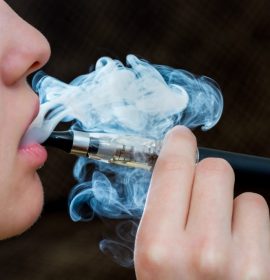
Nicotine, Tobacco, and Vaping: 1 in every 5 deaths in the US is caused by smoking tobacco or secondhand smoke. AND we know very little about vaping and what we do know is super dangerous.
Opioids: Opioids have been used for thousands of years. Some opioids come from plants, others are made in a lab. Opioids sold on-line on anywhere other than a pharmacy more than likely will be tainted with Fentanyl.
Prescription Stimulants: a type of medicine that doctors give people to help them with attention deficit hyperactivity disorders (ADHD) or serious sleep problem but can have high addiction rates if misused or used without a physical need.
More Information on Substances to Prevent Youth Misuse
Alcohol
Marijuana
Vape Products
Prescription Medications
Inhalants
Inhalant use is the intentional breathing in of gas and vapors with the goal of getting high.
- The Massachusetts Department of Public Health outlines signs of inhalant abuse and and how parents can help.
- Tips for Teens – Inhalants
Opioids
- Click HERE to learn more about risk and protective factors for youth opioid misuse.
- Tips for Teens – Opioids
- Tips for Teens – Heroin
- Talk. They Hear You. Talking with Your Teen About Opioids Keeping Your Kids Safe – Parent Brochure
Steroids
- Research suggests that high school athletes are less likely to use steroids if their peers and parents disapprove, suggesting that peers and parents can be strong partners in prevention efforts. Click HERE to learn more about what can be done to prevent steroid misuse.
- Tips for Teens – Steroids
Cocaine
Methamphetamines
Free Resources
Looking for free educational resources? Check out the Mass Clearing House and SAMHSA’s Publications and Digital Products.